Waltham, Massachusetts Furnace Repair
Furnace Repair in Waltham, MA
No Heat? Furnace Blowing Cold Air? Furnace Won't Turn On?
A furnace that stops working can leave your home uncomfortable fast, especially during a cold Massachusetts winter. Maybe the thermostat is calling for heat but nothing happens. Maybe the furnace starts, runs for a few minutes, and shuts off. Or maybe you hear the blower running, but the air coming from the vents never gets warm.
Waltham Furnace & AC Pro helps homeowners in Waltham, Massachusetts find assistance for forced-air furnace repair needs. From ignition problems and unexpected shutdowns to unusual noises and weak airflow, the first step is understanding what's happening with your heating system.
No Heat • Cold Air • Ignition Problems • Short Cycling • Weak Airflow
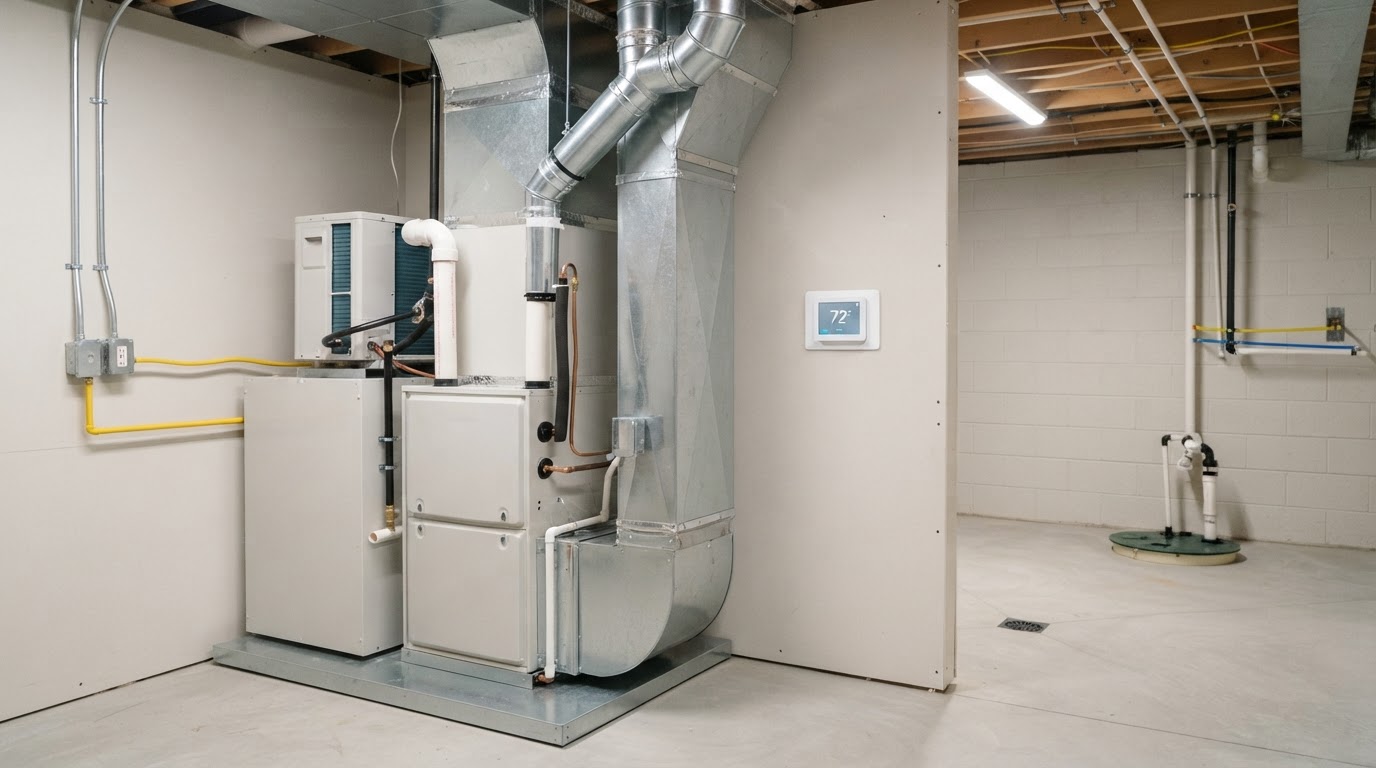
Know the Warning Signs
Common Furnace Problems in Waltham Homes
Your furnace doesn't have to stop completely to need attention. Some problems start with longer heating cycles, unusual sounds, or rooms that never quite reach the temperature on the thermostat.
Here are common symptoms homeowners notice when a forced-air furnace isn't operating properly.
Furnace Won't Turn On
You raise the thermostat, but the furnace never starts. There may be an issue with power, thermostat controls, the furnace control board, or a safety device preventing operation.
Furnace Blowing Cold Air
The blower runs, but the air coming through the vents feels cool. The furnace may not be producing heat, or its heating cycle may have stopped while the fan continued to operate.
Furnace Starts Then Shuts Off
Your furnace may light for a few seconds and stop, or run briefly without reaching the requested temperature. This can involve ignition, flame sensing, overheating, or other operating conditions.
Furnace Keeps Turning On and Off
Frequent starting and stopping is commonly called short cycling. Possible causes include airflow restrictions, thermostat problems, safety-limit interruptions, and equipment-related issues.
Weak Airflow From Vents
The furnace may be producing heat, but not enough air is moving through the house. A clogged filter, blower problem, restricted return, or ductwork issue may be involved.
Strange Furnace Noises
Squealing, rattling, humming, clicking, or banging can point to different conditions. The sound, when it happens, and how the furnace operates afterward can help narrow down the issue.
These symptoms are useful clues, not a diagnosis. Different furnace faults can look similar from inside the house. A proper evaluation helps determine what actually needs attention.
When Your Heat Stops Working
Why Is My Furnace Not Heating My House?
When your furnace isn't keeping up, the first question is whether it is failing to produce heat, failing to move heated air, or shutting down before completing a heating cycle.
Those are different problems, even though they may all leave your house feeling cold.
The Thermostat Calls for Heat, but Nothing Starts
A working thermostat sends a request for heat to the furnace. If the furnace does not respond, the problem could involve the thermostat, wiring, electrical supply, furnace controls, or a safety-related lockout. A blank thermostat display, an error message, or unusual furnace status lights may be useful information when describing the problem.
The Furnace Starts, but the Burners Never Light
Many gas furnaces follow a startup sequence involving a draft inducer, safety checks, and an ignition attempt. If part of that sequence fails, the furnace may stop before producing heat. Potential causes include ignition-component failures, draft-related problems, or an interrupted safety circuit. The actual cause depends on the equipment and the conditions observed.
The Burners Light, Then Go Out
If a furnace produces flame briefly and then shuts down, its flame-proving system or another safety control may be interrupting operation. A flame sensor is one possible component involved in this symptom, but it should not be assumed to be the cause without testing.
The Furnace Makes Heat, but the House Stays Cold
A furnace can generate heat and still struggle to warm the house. Insufficient airflow, a blower problem, restricted return air, duct leakage, or excessive heat loss from the home can all affect comfort. The thermostat setting alone cannot identify which problem is occurring.
Helpful takeaway
A furnace that isn't heating properly may need a component repair, airflow correction, cleaning, or a broader assessment of the equipment. Replacing parts based on a guess can leave the original problem unresolved.
Inside Your Heating System
Furnace Components That Can Cause Heating Problems
A forced-air furnace relies on several parts working together. Understanding their basic functions can help explain why a furnace stops heating, cycles repeatedly, or develops unusual noises.
The components below are common to many modern gas furnaces, although designs vary by manufacturer and model.
Thermostat and Furnace Control Board
The thermostat communicates the need for heat. The integrated furnace control board manages important steps in the heating sequence and monitors applicable safety circuits. A problem with the thermostat signal, control wiring, or board can interfere with furnace startup or normal operation. Some furnaces display diagnostic lights or fault codes. These can help a qualified technician narrow down a problem, but the meaning varies by equipment model.
Furnace Ignitor
The ignitor helps start combustion in applicable gas furnaces. Modern equipment may use a hot-surface ignitor or another ignition design. If the ignition system cannot establish flame, the furnace may attempt to start without producing heat. A failed ignitor is one possible cause, but power delivery and other parts of the ignition sequence also matter.
Flame Sensor
A flame sensor helps the furnace verify that burner flame has been established. If the furnace cannot confirm flame, it may shut off the burners as a safety measure. Homeowners sometimes notice this as a furnace that lights briefly and then stops. Flame-sensing problems can involve buildup, wiring, grounding, burner conditions, or a failed component. A proper diagnosis is important.
Draft Inducer Motor
On many gas furnaces, the draft inducer operates before ignition and helps move combustion gases through the venting system. A failed inducer, venting restriction, condensate problem, or another draft-related condition may keep the heating sequence from continuing. An inducer that hums, makes unusual noise, or fails to operate can be a clue, but the symptom does not identify the specific failure by itself.
Pressure Switch
The pressure switch is part of the safety system on applicable furnaces. It monitors a draft-related condition before the heating sequence can proceed. A pressure-switch fault does not automatically mean the switch itself needs replacement. Problems involving venting, inducer operation, pressure tubing, or condensate drainage may affect the conditions it monitors. Safety switches must never be bypassed to keep a furnace running.
Blower Motor and Blower Wheel
The blower moves heated air through the supply ductwork and into the home's rooms. If the motor fails, the blower wheel becomes heavily loaded with debris, or airflow is restricted, the furnace may struggle to distribute heat. Depending on the equipment, the blower may use a conventional motor or an electronically commutated motor, often called an ECM motor. Problems can appear as weak airflow, unusual motor sounds, a fan that doesn't start, or a furnace that overheats and shuts down.
High-Limit Switch and Other Safety Controls
A furnace includes controls intended to respond to unsafe operating conditions. For example, restricted airflow can contribute to excessive furnace temperatures. A high-limit control may interrupt heating to protect the equipment. The proper response is to identify the condition that triggered the control, not simply reset or bypass it repeatedly.
Gas Valve and Burners
In a gas furnace, the gas valve controls the delivery of fuel to the burner assembly. A failure involving gas delivery, valve operation, ignition, or combustion may prevent heat production. These components require qualified service because improper work can create serious safety hazards.
Heat Exchanger
The heat exchanger transfers heat from combustion to the air moving through the furnace while maintaining separation between the air stream and combustion gases. Heat exchanger damage or suspected combustion-gas leakage is a serious safety concern that requires professional attention.
Furnace Venting and Condensate Components
Furnace venting arrangements depend on the equipment type and installation. Certain high-efficiency furnaces produce condensate that must drain properly. A blocked trap or drain, venting issue, or obstructed termination may affect operation. These components should be assessed using the appropriate procedures for the particular furnace.
A furnace can stop heating because of a single failed component or because another condition prevents the equipment from operating safely. Understanding the whole heating sequence helps distinguish the underlying cause from the visible symptom.
Furnace Starts and Stops Repeatedly
Why Does My Furnace Keep Turning On and Off?
A furnace normally starts when the thermostat calls for heat and shuts down when the heating demand has been satisfied.
Short cycling describes repeated operation in unusually short bursts. The furnace may start, run briefly, stop, and then restart without adequately heating the home.
Possible contributing factors include:
- A restricted air filter or return-air pathway
- Inadequate airflow across the furnace
- A blower motor or blower-control problem
- An overheating condition that triggers a safety limit
- Thermostat location, settings, or control issues
- Ignition or flame-sensing interruptions
- Equipment sizing or installation concerns
The timing of the shutdown matters. A furnace that stops immediately after the burners ignite may have a different problem from one that runs for several minutes before shutting down.
When to request help
If your furnace repeatedly cycles without warming the house, runs into the same fault, or stops on a safety control, the cause should be evaluated rather than repeatedly forcing it to restart.
Finding the Actual Problem
How Furnace Repair Problems Are Evaluated
Different symptoms can point toward the same component, and a single symptom can have several possible causes.
A qualified HVAC professional may use the furnace's operating sequence and manufacturer information to determine where normal operation is being interrupted.
Review the Furnace Symptoms
Useful details include whether the furnace starts, whether the burners ignite, whether warm air comes from the vents, and whether the problem happens every time or intermittently. The equipment model, age, and any visible fault message can provide additional context.
Check the Heating Demand and Controls
Depending on the situation, evaluation may involve confirming the thermostat's request for heat, inspecting relevant controls, and checking how the furnace responds.
Evaluate the Ignition and Safety Sequence
On applicable gas furnaces, the sequence may include inducer operation, draft verification, ignition, flame detection, and blower operation. Understanding where that sequence stops can help identify the area requiring attention.
Investigate Airflow and Operating Conditions
A furnace that overheats or struggles to distribute heat may need evaluation of the filter, blower, return-air pathways, duct restrictions, or other airflow conditions.
Determine the Appropriate Next Step
The findings help establish whether the furnace needs a component repair, cleaning, airflow correction, or further evaluation. The precise tests and service procedures depend on the furnace, the reported symptoms, and the qualified professional performing the work.
Important distinction
This section describes how furnace faults may be evaluated. It does not mean every provider performs the same tests or that a repair can be guaranteed before the equipment is assessed.
Understanding Your Options
Is It Better to Repair or Replace a Furnace?
A furnace that has stopped working does not automatically need to be replaced.
Some heating failures involve a specific part or condition that can be repaired. Other situations call for a closer look at the age, condition, and overall reliability of the equipment.
When Furnace Repair May Make Sense
Repair may be worth pursuing when the furnace is otherwise in reasonable condition and the underlying problem can be corrected at a practical cost.
For example, a failure involving an ignition component, thermostat, or certain blower-related parts may be repairable without replacing the entire furnace.
The important question is not simply whether a part can be replaced. It's whether the repair makes sense for the condition of the complete system.
When Furnace Replacement Deserves Consideration
Replacement may be worth comparing when:
- The furnace has frequent breakdowns
- Repair expenses are accumulating
- A major component has failed
- Equipment reliability has become a recurring concern
- There are serious safety or heat-exchanger concerns
- The existing system no longer meets the home's heating needs
The age of a furnace is useful context, but there is no single age at which every furnace must be replaced.
Questions to Consider Before Deciding
- How much is the proposed repair compared with replacement?
- Has the furnace needed several repairs recently?
- Is the current problem isolated, or are multiple components deteriorating?
- Does the system normally heat the home evenly?
- Are there safety concerns that change the available options?
A comparison based on the actual equipment condition is more useful than a blanket rule about replacing older furnaces.
Different Problems Need Different Solutions
Can Furnace Cleaning Fix a Heating Problem?
Sometimes dirt and buildup contribute to poor furnace performance.
A heavily loaded air filter can restrict airflow. Debris on a blower wheel may affect air movement. On certain systems, buildup or a drainage blockage can interfere with operation.
However, cleaning will not repair every malfunction.
A failed control board, damaged motor, malfunctioning gas valve, or other defective component may require repair or replacement.
Furnace cleaning is generally focused on appropriate equipment components and buildup. It is not the same as a furnace repair diagnosis, and it does not automatically include whole-home air duct cleaning.
If the furnace won't ignite, produces no heat, or repeatedly shuts down, determining the cause is more important than assuming cleaning alone will solve it.
Local Heating Concerns
Furnace Repair for Waltham, Massachusetts Homeowners
Cold New England weather makes a reliable heating system particularly important. In Waltham, a furnace problem may first become noticeable when temperatures drop and the system begins running more frequently after a period of lighter use.
A furnace that appears to work on a mild day may have difficulty keeping up when heating demand increases. If the home remains below the thermostat setting or some rooms never warm up, the cause may involve furnace operation, airflow, or conditions affecting the home's heat loss.
Different Waltham Homes Have Different Heating Setups
Homes around Main Street, Moody Street, Lexington Street, Totten Pond Road, and other parts of Waltham can differ in age, layout, insulation, and mechanical equipment.
Some properties have forced-air duct systems, while others use different types of heating. Those differences matter when describing a problem and determining which service is appropriate.
This page focuses on forced-air furnaces. A home heated by radiators or hot-water baseboards may use a boiler rather than a furnace.
Furnace Problems During Winter Weather
Some high-efficiency furnaces use outdoor vent and air-intake terminations. Winter weather and accumulated snow can create concerns when a termination becomes obstructed.
Because combustion venting is a safety-related part of the heating system, suspected blockages or abnormal furnace shutdowns should be handled appropriately. Never dismantle venting or bypass furnace safety controls.
Basement and Equipment Access
Furnaces may be installed in basements, mechanical rooms, closets, or other approved locations.
When requesting service, useful details may include whether the equipment is accessible, whether parking or building-entry arrangements are needed, and whether the person requesting service has permission to authorize work.
Waltham Furnace & AC Pro focuses on connecting local homeowners with assistance for furnace repair needs, from sudden loss of heat to recurring furnace problems.
Important Safety Information
When a Furnace Problem May Be a Safety Emergency
Not every furnace problem is an emergency, but certain warning signs require immediate action.
If You Smell Gas
Leave the building immediately. From a safe location, contact your gas utility or emergency services. Do not operate electrical switches, attempt repairs, or remain inside to investigate the source.
If a Carbon Monoxide Alarm Activates
Leave the building and contact emergency services from a safe location. Carbon monoxide cannot be reliably identified by smell, and an alarm should never be ignored.
If You Suspect a Combustion or Venting Problem
Stop using the affected equipment when it is safe to do so and seek qualified assistance. Do not bypass safety devices or attempt to alter gas burners, heat exchangers, or exhaust venting yourself.
Safety note
This website is not an emergency-response service. For a suspected gas leak, carbon monoxide exposure, or another immediate hazard, contact emergency services or your utility rather than using the website's ordinary service-request telephone number.
Requesting Furnace Assistance
What Should You Know Before Calling About Furnace Repair?
You don't need to diagnose your furnace before making a call.
A few basic details can help explain the situation.
Your Furnace Symptoms
Is there no heat at all? Does the furnace start and stop? Is the blower running without warm air? Are certain rooms staying cold? Describe what you're noticing in everyday language.
When the Problem Started
Did the furnace stop suddenly, or has it been acting differently for several days or weeks? Does the issue happen all the time or only occasionally?
Thermostat Information
If it's readily visible, note the temperature the thermostat is set to and the temperature currently displayed.
Equipment Information
If you already know the furnace brand, model, or approximate age, that information may be useful. Don't remove panels or access electrical or gas components to look for information.
Your Location and Access Details
Be ready to share your Waltham address or ZIP code and any relevant information about accessing the property or heating equipment.
Questions About the Service Process
Before authorizing work, you may want to ask about scheduling, any applicable diagnostic or visit charges, how repair options are presented, and which services are available for your equipment.
Call with the information you have. You don't need to understand every furnace component to describe what is going wrong.
Furnace Repair Questions
Frequently Asked Questions About Furnace Repair
More Heating & Cooling Services
Related Services in Waltham
Furnace Replacement
If your existing furnace needs repeated repairs or has a major failure, learn what matters when comparing a new heating system with another repair.
Furnace Cleaning
Dust buildup, restricted filters, and dirty accessible components can affect furnace performance. Learn what cleaning may address and how it differs from repair.
Central AC Repair
Having trouble with central air conditioning instead? Learn about warm air, cooling failures, frozen coils, outdoor condenser problems, and related repair concerns.
Furnace Not Heating in Waltham, MA?
Whether your furnace won't start, keeps shutting down, blows cold air, or makes an unfamiliar noise, you can start by describing the problem. Call Waltham Furnace & AC Pro to discuss your furnace repair needs in Waltham, Massachusetts.
Furnace Repair • Furnace Replacement • Furnace Cleaning