Central Air Conditioning Repair in Waltham, Massachusetts
AC Repair in Waltham, MA
AC Blowing Warm Air? Central Air Not Cooling Your House?
When your central air conditioner stops cooling, summer heat and humidity can make your home uncomfortable quickly. Maybe the thermostat is set to cool, but warm air comes from the vents. Maybe the outdoor AC unit won't turn on. Or perhaps the system runs all day without bringing the indoor temperature down.
Waltham Furnace & AC Pro helps homeowners in Waltham, Massachusetts find assistance with central air conditioning repair needs.
From cooling failures and frozen coils to electrical problems, water leaks, and weak airflow, the first step is understanding what the system is doing and identifying the underlying problem.
AC Not Cooling • Warm Air • Outdoor Unit Problems • Frozen Coils • Water Leaks
Signs Your AC Needs Attention
Common Central AC Problems in Waltham Homes
A central air conditioner can stop cooling for several reasons. Some problems prevent the equipment from starting, while others allow the system to run without removing enough heat from your home.
These are common symptoms homeowners notice.
AC Blowing Warm Air
The air conditioner is running, but the vents deliver warm or room-temperature air. Possible causes include an outdoor condenser that isn't operating, airflow problems, electrical faults, or a refrigerant-system issue.
Outdoor AC Unit Won't Turn On
The indoor blower may run even when the outdoor condenser isn't starting. The problem could involve electrical power, a contactor, capacitor, fan motor, compressor, controls, or a protective device.
AC Runs but Doesn't Cool the House
The equipment operates for long periods, yet the indoor temperature stays above the thermostat setting. Possible factors include reduced cooling capacity, restricted airflow, excessive heat entering the home, or a system that isn't operating correctly.
Frozen AC Coil or Refrigerant Line
Ice may form around the indoor evaporator coil or on an exposed refrigerant line. This can be associated with insufficient airflow or abnormal refrigerant-system conditions.
Water Leaking Around Indoor AC Equipment
Central AC systems remove moisture from indoor air. If the condensate drain becomes blocked or water isn't being collected and removed properly, moisture can accumulate around the indoor equipment.
Weak Airflow or Uneven Cooling
Some rooms may feel comfortable while others stay warm. You may also notice less air coming from the vents than before. Airflow restrictions, blower issues, duct conditions, and cooling-system problems can all contribute.
Section conclusion
These symptoms help describe the problem, but they don't identify the failed component on their own. Different AC faults can produce similar results.
One of the Most Common Cooling Complaints
Why Is My AC Running but Blowing Warm Air?
When the central AC is on but the vents aren't delivering cool air, the system may not be moving heat out of the house correctly.
Central air conditioning depends on both airflow and a functioning refrigeration system. A problem on either side can reduce cooling.
The Outdoor Condenser Isn't Operating
Many central air conditioners use an outdoor condenser and an indoor evaporator coil. If the indoor blower is running but the outdoor equipment is not, air may continue moving through the ductwork without being cooled as expected. The outdoor unit may have an electrical, control, fan, compressor, or other operating problem.
The Indoor Airflow Is Restricted
Air must move across the indoor evaporator coil for normal heat transfer. A clogged air filter, blower problem, or duct restriction can reduce airflow. In some circumstances, low airflow can contribute to coil icing and further loss of cooling.
There Is a Refrigerant-System Problem
Refrigerant circulates through the air conditioning system and transfers heat. Leaks, incorrect charge conditions, restrictions, and certain component failures can interfere with normal operation. Refrigerant-related problems require qualified testing and service.
The Thermostat or Controls Aren't Operating Correctly
The thermostat and system controls coordinate cooling operation. A thermostat issue, wiring problem, or control fault may prevent the indoor and outdoor equipment from responding as intended.
The Cooling System Has Another Performance Problem
A central AC can appear to be running while delivering less cooling than expected. The compressor, condenser fan, coils, airflow, equipment sizing, and operating conditions may all need consideration.
Helpful takeaway
Warm air from the vents does not automatically mean the system needs refrigerant. The actual problem must be identified before the appropriate repair can be determined.
Condenser Problems
Why Won't My Outside AC Unit Turn On?
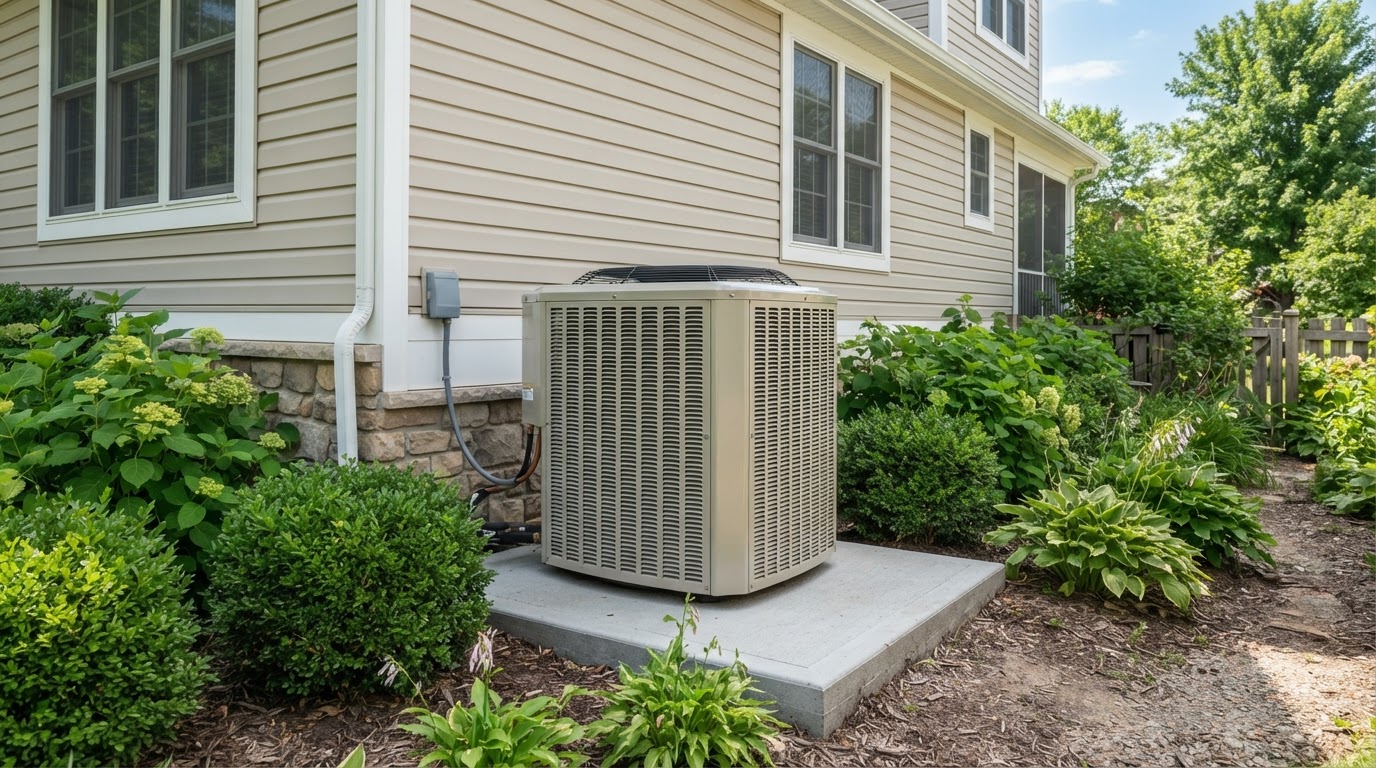
The outdoor unit is a major part of a typical split central air conditioning system.
It commonly houses the compressor, condenser coil, condenser fan, and electrical components that help the system operate.
If the outdoor unit does not start when cooling is requested, several possible causes should be considered.
AC Capacitor Problems
Capacitors are electrical components used in many air conditioning systems to support motor operation. A failed capacitor can prevent an applicable compressor or fan motor from starting correctly. A humming sound or a motor that doesn't start may be a clue, but the symptom alone does not confirm a capacitor failure. Capacitors can retain a dangerous electrical charge. They should not be handled by homeowners.
AC Contactor Problems
A contactor is an electrically controlled switching component used in many outdoor AC units. It helps connect or disconnect electrical power to the equipment when the system receives a cooling request. A faulty contactor, control signal, or related electrical condition may prevent the unit from operating.
Condenser Fan Motor Problems
The outdoor fan moves air across the condenser coil to help release heat. A failed motor, electrical component, or related fault may stop the fan. Running equipment with an inoperative condenser fan can contribute to additional operating problems.
Compressor Problems
The compressor circulates refrigerant through the system and is essential to the refrigeration cycle. A compressor may fail to start or operate correctly because of an electrical, mechanical, control, or refrigerant-related issue. Not every compressor startup problem means the compressor itself must be replaced.
Electrical and Control Issues
The outdoor unit depends on appropriate power and control signals. Disconnects, electrical circuits, thermostat wiring, control boards, and protective devices may be relevant to a failure. Electrical diagnosis must be performed safely by qualified personnel.
Section conclusion
If the indoor system runs but the outside AC unit does not, note what you're observing and discuss it when requesting service. Do not reach into the unit or attempt to start the fan manually.
Ice on Your AC Equipment
Why Is My AC Freezing Up?
Ice around a central air conditioner's indoor evaporator coil or refrigerant line is a sign that the equipment isn't operating under normal conditions.
The indoor coil is designed to absorb heat from the air passing across it. When certain conditions cause the coil temperature to fall too low, moisture can freeze on its surfaces.
Restricted Airflow
If too little warm household air passes across the indoor coil, the coil may become excessively cold. Possible airflow-related contributors include:
- A severely clogged air filter
- An indoor blower problem
- Restricted return-air pathways
- Certain ductwork restrictions
- Other conditions affecting airflow
Refrigerant-System Conditions
Abnormal refrigerant flow or charge conditions can also contribute to coil icing.
A refrigerant leak is one possibility, but it is not the only one.
Proper testing is necessary to identify the actual cause.
Why Ice Can Make Cooling Worse
As ice accumulates, it can interfere with airflow and heat transfer.
The air conditioner may continue operating without cooling the home effectively.
Water may also appear when accumulated ice begins melting.
What Should a Homeowner Do?
If you notice ice, stop normal cooling operation and arrange appropriate evaluation. Follow the equipment manufacturer's guidance, and avoid attempting to chip ice from the coil or open the refrigerant system.
Do not use sharp tools or forcefully remove ice, as the coil and refrigerant tubing can be damaged.
Will Cleaning Fix a Frozen Coil?
Only if a cleaning-related condition, such as a severely restricted filter or appropriate buildup, is contributing to the problem.
A refrigerant leak, blower failure, or other malfunction requires separate attention.
Water Around the Indoor AC Unit
Why Is My Central AC Leaking Water?
Central air conditioners remove moisture from indoor air as part of normal cooling.
That moisture collects as condensate and must drain away through the equipment's intended drainage system.
Water appearing around the indoor unit can indicate a drainage or operating problem.
Clogged Condensate Drain
Dust, buildup, or other obstructions can interfere with condensate drainage. If water cannot flow through the drain properly, it may back up or overflow.
Condensate Pan Problems
The drain pan collects water from the evaporator coil. A damaged, improperly positioned, or overflowing pan may allow water to escape.
Condensate Pump Problems
Some installations require a condensate pump to move water to an appropriate discharge location. A pump or control problem may interfere with drainage.
Frozen Coil Thawing
When ice melts from an evaporator coil, additional water may collect. If the drainage system cannot handle the water or the equipment is already affected by another problem, leakage may become visible.
Condensate Safety Switches
Some systems use a float switch or another condensate safety device intended to stop operation when drainage conditions become abnormal. A stopped AC system can sometimes be related to a condensate safety control.
Why Water Problems Shouldn't Be Ignored
Unwanted water can affect nearby finishes, ceilings, flooring, and building materials. If water is approaching electrical equipment, avoid contact and seek qualified assistance.
Section conclusion
Water around indoor AC equipment does not automatically indicate a refrigerant leak. Condensate drainage problems and refrigerant-system failures are different issues that require different evaluations.
Understanding How Central Air Works
Common Central Air Conditioner Parts and Repair Issues
A typical split central air conditioning system has indoor and outdoor components connected by refrigerant lines, controls, and the home's air distribution system.
Understanding what the major components do can help explain why different failures produce similar cooling symptoms.
Compressor
The compressor is a major component of the refrigeration circuit. It compresses refrigerant vapor and supports refrigerant circulation through the cooling system. A compressor problem may involve electrical startup, internal operation, or other system conditions.
Condenser Coil
The outdoor condenser coil helps release heat collected from inside the home. Air moving across the coil carries heat away. A heavily obstructed or dirty coil can interfere with heat rejection, although not every condenser problem is caused by dirt.
Condenser Fan
The outdoor fan supports airflow across the condenser coil. If the fan stops working, the outdoor unit may be unable to release heat normally.
Evaporator Coil
The indoor evaporator coil absorbs heat from the air moving across it. It also allows moisture to condense out of the air during cooling. Airflow, coil condition, and refrigerant-system operation all affect its performance.
Refrigerant Lines
Refrigerant tubing connects major indoor and outdoor cooling components. The refrigerant circuit must be compatible with the equipment and maintained using appropriate procedures.
Metering Device or Expansion Valve
Many central air conditioners use a metering device, such as a thermostatic expansion valve, to regulate refrigerant entering the evaporator. A malfunction or restriction can affect refrigerant-system performance.
Capacitor
Capacitors support the operation of applicable electric motors. A failed capacitor may interfere with compressor or fan startup.
Contactor
The contactor is an electrical switching component commonly used in outdoor AC equipment. It helps control electrical power to portions of the unit.
Indoor Blower
The indoor blower moves air through the return system, across the evaporator coil, and into the supply ducts. A blower problem can affect cooling even when the outdoor condenser is operating.
Thermostat and Controls
Thermostats, wiring, and electronic controls coordinate when the system requests cooling and how equipment responds. A fault in the control system can interrupt normal operation.
Condensate Pan and Drain
The condensate collection and drainage system removes water produced during cooling. Blockages and component failures can cause backups or shutdowns.
Section conclusion
A proper AC diagnosis considers how these components interact. Replacing a part based only on a symptom can miss a problem elsewhere in the system.
Refrigerant Problems Explained
Does My AC Need Refrigerant, or Does It Have a Leak?
Homeowners often ask whether an air conditioner simply needs more refrigerant.
Refrigerant is the working fluid that allows the system to move heat from inside the home to the outdoors.
In a properly sealed refrigeration circuit, refrigerant is not routinely consumed in the way fuel is consumed by a furnace.
Low Refrigerant Isn't Routine Maintenance
If a system has an insufficient refrigerant charge, the underlying reason should be determined.
A leak is one potential cause. An incorrect initial charge or previous service issue may also be relevant.
Adding refrigerant without addressing a leak may provide only temporary improvement.
Common Refrigerant-Related Symptoms
Possible symptoms can include:
- Reduced cooling
- Long cooling cycles
- Coil icing
- Abnormal refrigerant pressures or temperatures
- Equipment operating outside its intended conditions
These signs can have other causes as well.
How Are Refrigerant Problems Evaluated?
Qualified technicians may assess system conditions using manufacturer information and appropriate instruments.
Depending on the equipment and issue, this may involve pressure and temperature measurements, refrigerant-circuit evaluation, or leak-detection procedures.
The exact diagnostic method depends on the system and applicable requirements.
What About R-22, R-410A, R-32 and R-454B?
Air conditioning equipment may be designed for different refrigerants.
Older systems may use R-22. Other systems use R-410A or newer refrigerants such as R-32 and R-454B.
These refrigerants are not interchangeable substitutes.
The correct refrigerant and handling procedures depend on the exact equipment.
Who Can Work on the Refrigerant Circuit?
Refrigerant handling and regulated service work require appropriate qualifications and compliance with applicable EPA Section 608 rules.
Homeowners should not attempt to connect refrigerant gauges, open the sealed circuit, or add refrigerant themselves.
Section takeaway
A cooling problem should not automatically be treated as a refrigerant recharge. Identifying the actual fault helps avoid repeated service for an unresolved issue.
Air Distribution Problems
Why Are Some Rooms Hotter Than Others?
A central air conditioner can produce cooled air and still leave certain rooms uncomfortable.
That may happen when the system isn't moving or distributing enough air, or when rooms have different cooling requirements.
Dirty Air Filters
A severely loaded filter can restrict airflow. Reduced airflow can affect cooling performance and may contribute to evaporator-coil icing.
Indoor Blower Problems
The indoor blower must move an appropriate amount of air through the system. Motor problems, incorrect operation, or substantial buildup may affect performance.
Ductwork Restrictions
Supply and return ducts must accommodate the intended airflow. Restrictions, leaks, or unsuitable duct configurations can contribute to uneven temperatures.
Return-Air Limitations
If the return-air system restricts circulation, the AC may struggle to move enough air throughout the house.
Building Conditions
Sun exposure, insulation, air leakage, windows, and room layout affect cooling demand. A warm room does not automatically mean the AC equipment itself is defective.
Thermostat Location
The thermostat senses conditions at its location. If conditions near the thermostat don't represent the rest of the home, comfort may vary between rooms.
Section conclusion
Uneven cooling may involve the AC equipment, duct distribution, or building conditions. The correct response depends on determining which factor is causing the problem.
Poor Cooling Performance
Why Does My Air Conditioner Run Constantly Without Cooling?
On hot days, a central air conditioner may need to run for longer periods to maintain the desired indoor temperature.
A long operating cycle does not automatically mean something is broken.
However, if the thermostat setting is never reached or cooling performance has changed significantly, the system may deserve evaluation.
Possible Equipment Causes
- A cooling-system fault
- Dirty or obstructed coils
- Restricted indoor airflow
- A condenser fan or compressor problem
- Abnormal refrigerant-system operation
- Thermostat or control issues
Possible Home-Related Factors
- High outdoor temperatures
- Strong solar heat gain through windows
- Insulation problems
- Significant air leakage
- Duct leakage
- Changes in household cooling demands
Why Humidity Matters
Central AC removes moisture as well as heat.
If indoor humidity remains high, a house may feel uncomfortable even when the thermostat indicates a moderate temperature.
Humidity concerns can involve equipment operation, system sizing, infiltration, and other building conditions.
When to Discuss the Problem
If your AC runs continuously and indoor temperatures keep rising, cooling output is unusually weak, or the system has changed noticeably from its normal behavior, describe those symptoms when requesting service.
Getting to the Cause
How Is a Central AC Repair Problem Diagnosed?
An effective repair decision depends on identifying the problem rather than guessing which part has failed.
Depending on the system and the complaint, a qualified professional may evaluate several areas.
Review the Homeowner's Symptoms
Useful information includes whether the indoor blower runs, whether the outdoor unit starts, whether air from the vents feels cool, and when the problem began. Any visible thermostat message or equipment fault indication may also help.
Evaluate Thermostat and Control Operation
The cooling request and system response may be checked to determine whether the equipment is receiving and following appropriate control signals.
Assess Indoor and Outdoor Equipment
The evaporator, condenser, fans, and associated controls may be evaluated based on the symptoms.
Check Airflow Conditions
Airflow restrictions, filter condition, blower operation, and duct-system concerns can affect cooling.
Evaluate Electrical Components
Qualified personnel may use appropriate instruments to investigate motor operation, power, capacitors, contactors, and related electrical conditions.
Assess the Refrigerant System When Appropriate
If the evidence points toward a refrigeration problem, a qualified technician may evaluate relevant operating conditions, component performance, or suspected leaks using suitable procedures.
Determine the Next Step
The findings may indicate a repairable component, cleaning-related issue, refrigerant-system work, airflow correction, or a larger equipment problem.
Confirm Operation Following Appropriate Work
The necessary operational checks depend on the work performed and the equipment.
Important
This is an explanation of potential diagnostic activities, not a guarantee that every provider performs an identical procedure or offers every type of repair.
Understanding Your Options
Should You Repair or Replace Your Central AC?
A central air conditioner that stops cooling does not automatically need replacement.
Some failures involve components that may be repaired or replaced individually. Other problems can make a complete system replacement worth considering.
When AC Repair May Make Sense
Repair may be a reasonable choice when:
- The equipment is otherwise in good condition.
- The problem involves a repairable component.
- Replacement parts are available.
- The expected repair expense is practical.
- The system has been generally reliable.
- The system is appropriately matched to the home's cooling needs.
A failed electrical component can present a very different decision from a major refrigerant-system or compressor failure.
When AC Replacement May Make Sense
Replacement may be worth considering when:
- Breakdowns are frequent.
- The system has a costly major failure.
- Repairs are becoming increasingly difficult to justify.
- Equipment or refrigerant-related constraints complicate repairs.
- The system no longer meets the home's cooling requirements.
- The equipment is poorly sized or has persistent performance limitations.
Age Alone Doesn't Make the Decision
An older air conditioner may still be repairable.
A relatively newer system can also have a significant failure.
The decision should take into account equipment condition, the actual diagnosis, repair cost, reliability, and suitable replacement options.
What About Repeated Refrigerant Problems?
If a system has an unresolved refrigerant leak, repeatedly adding refrigerant may not provide a lasting solution.
The extent of the fault, repair feasibility, equipment type, and cost can influence whether a repair or replacement makes sense.
Different Problems, Different Services
Can AC Cleaning Fix a Cooling Problem?
Sometimes dirt and debris contribute to cooling problems.
A loaded air filter may restrict airflow. A dirty condenser coil can interfere with heat rejection. A blocked condensate drain can cause water problems.
Cleaning may address certain conditions, but it cannot repair every malfunction.
Situations Where Cleaning May Help
- A dirty or clogged filter
- Appropriate debris buildup around a condenser coil
- Certain accessible coil contamination
- A condensate drainage obstruction
- Other buildup-related concerns
Situations That May Require Repair
- Failed capacitor or contactor
- Nonworking fan motor
- Compressor problems
- Faulty electrical controls
- Refrigerant leaks
- Failed condensate pump
- Other defective components
A system blowing warm air, freezing repeatedly, or failing to start should not automatically be treated as a cleaning-only problem.
Cooling in Greater Boston
Central AC Repair for Waltham, Massachusetts Homes
Waltham homeowners experience the warm and humid conditions common to Greater Boston summers.
When central air conditioning stops removing enough heat or moisture from indoor air, the loss of comfort can become noticeable quickly.
Summer Cooling and Humidity
Air conditioning is responsible for both cooling and, under appropriate operating conditions, removing moisture from indoor air.
During humid weather, problems involving airflow, evaporator-coil performance, or condensate drainage may become especially noticeable.
That does not mean humidity is the cause of every AC failure.
Different Homes Have Different Cooling Systems
Homes around Main Street, Moody Street, Lexington Street, and Totten Pond Road vary in layout, construction, insulation, and mechanical equipment.
The appropriate repair depends on the actual central AC system installed in the property.
An older home is not automatically equipped with older AC equipment, and a newer home is not guaranteed to have a properly sized system.
Basement and Attic Equipment
Depending on the installation, central AC indoor components may be located near a furnace in a basement, in a dedicated air handler, or in another approved mechanical location.
Equipment access and condensate routing vary by property.
Outdoor Condenser Conditions
Outdoor AC units are exposed to weather and surrounding vegetation.
Leaves, debris, airflow obstructions, and physical damage are possible concerns, but an outdoor unit that stops working may also have an electrical or mechanical fault unrelated to debris.
Apartment and Multi-Unit Properties
Some residential buildings have shared access areas or equipment arrangements requiring coordination with owners, property management, or other authorized parties.
If you're requesting service for a unit you don't own, make sure you have the necessary permission to arrange work.
Waltham Furnace & AC Pro focuses on helping Waltham homeowners find assistance with central air conditioning repair needs, including systems that blow warm air, won't start, leak water, or fail to cool properly.
Requesting AC Repair
What Information Helps When You Call About Your AC?
You don't need to identify the failed component before requesting help.
A few simple observations can help explain the problem.
Is the AC Blowing Warm Air?
If air comes from the vents but doesn't feel cool, mention that. This is different from having no airflow at all.
Is the Outdoor Unit Running?
If you can observe the outdoor unit from a safe distance, note whether it appears to be operating. Do not open the cabinet, touch electrical components, or attempt to start the fan.
Is There Ice or Water?
Mention any visible ice on the refrigerant line, water near indoor equipment, or condensate drainage concerns. Avoid handling refrigerant tubing or electrical equipment.
What Does the Thermostat Show?
If easily visible, note the requested cooling temperature and the temperature displayed in the home.
When Did the Problem Start?
Did cooling stop suddenly? Has the AC been performing poorly for several days? Does the problem happen only during hotter parts of the day?
Do You Know the Equipment Information?
If you already know the manufacturer, model, or approximate age, share it. Do not remove electrical panels or sealed equipment covers to obtain that information.
Your Waltham Location
Be ready to provide your location and any relevant building-access details.
Questions About the Service
Before authorizing work, you may want to ask:
Call with the information you have. Describing what your central air conditioner is doing is enough to start the conversation.
Important Safety Information
Central AC Repair Safety: What Not to Attempt Yourself
Central air conditioners contain electrical components, rotating machinery, and a sealed refrigerant system.
Improper handling can cause serious injury or equipment damage.
Don't Touch AC Capacitors or Electrical Terminals
Capacitors may retain a hazardous electrical charge even when equipment power is disconnected. Electrical testing and repairs belong with qualified personnel.
Don't Reach Into a Fan That Isn't Spinning
An outdoor condenser fan may be stopped because of an electrical or mechanical problem. Do not reach into the cabinet, move the blades manually, or attempt to force the motor to start.
Don't Open the Refrigerant System
Refrigerants must be handled using the correct equipment and procedures by appropriately qualified professionals. Different refrigerants have different equipment and safety requirements.
Don't Chip Ice From an Evaporator Coil
Sharp tools or force can damage the coil and refrigerant tubing. If you see icing, stop normal cooling operation and seek appropriate guidance.
Treat Water Near Electrical Equipment Carefully
Water around indoor AC components may create additional hazards depending on nearby wiring and equipment. Avoid contact with affected electrical components and seek qualified help.
Other Immediate Hazards
If you notice smoke, fire, or another immediate danger, leave the affected area and contact emergency services.
Safety note: This website's service-request phone number is not a substitute for emergency services when there is an immediate hazard.
Central AC Repair Questions
Frequently Asked Questions About AC Repair
More Heating & Cooling Services
Related Services in Waltham, MA
Central AC Replacement
If your central air conditioner needs frequent repairs or has a major failure, learn about system sizing, SEER2 efficiency, equipment compatibility, and replacement considerations.
Central AC Cleaning
Learn about condenser coil buildup, indoor evaporator cleaning, filters, condensate drains, and the difference between AC cleaning and repair.
Furnace Repair
Having a heating problem instead? Learn about furnaces that won't turn on, blow cold air, short cycle, or stop producing heat.
AC Not Cooling in Waltham, MA?
Whether your central air conditioner blows warm air, the outdoor unit won't start, the coil freezes, or water is collecting around the indoor equipment, start by describing what you're experiencing. Call Waltham Furnace & AC Pro to discuss your central air conditioning repair needs and the available next step.
AC Repair • AC Replacement • AC Cleaning