Central Air Conditioning Cleaning in Waltham, Massachusetts
AC Cleaning in Waltham, MA
Dirty AC Coils, Dust Buildup or Drainage Problems?
Your central air conditioner relies on airflow and heat transfer to keep your home cool. When dirt, leaves, or other debris collect on certain components, cooling performance may be affected. A clogged condensate drain can also cause unwanted water around the indoor equipment.
Waltham Furnace & AC Pro helps homeowners in Waltham, Massachusetts find assistance for central air conditioning cleaning needs.
Whether you're preparing for summer, concerned about a dirty outdoor condenser, or noticing buildup around your cooling equipment, call to discuss your system and the cleaning services available.
Condenser Coils • Evaporator Coils • Air Filters • Condensate Drains
Recognizing Dirt and Buildup
Signs Your Central Air Conditioner May Need Cleaning
Dirt and debris can collect on different parts of a central AC system. Some buildup is visible from outside the equipment. Other areas require qualified access and evaluation.
These are common reasons homeowners inquire about AC cleaning.
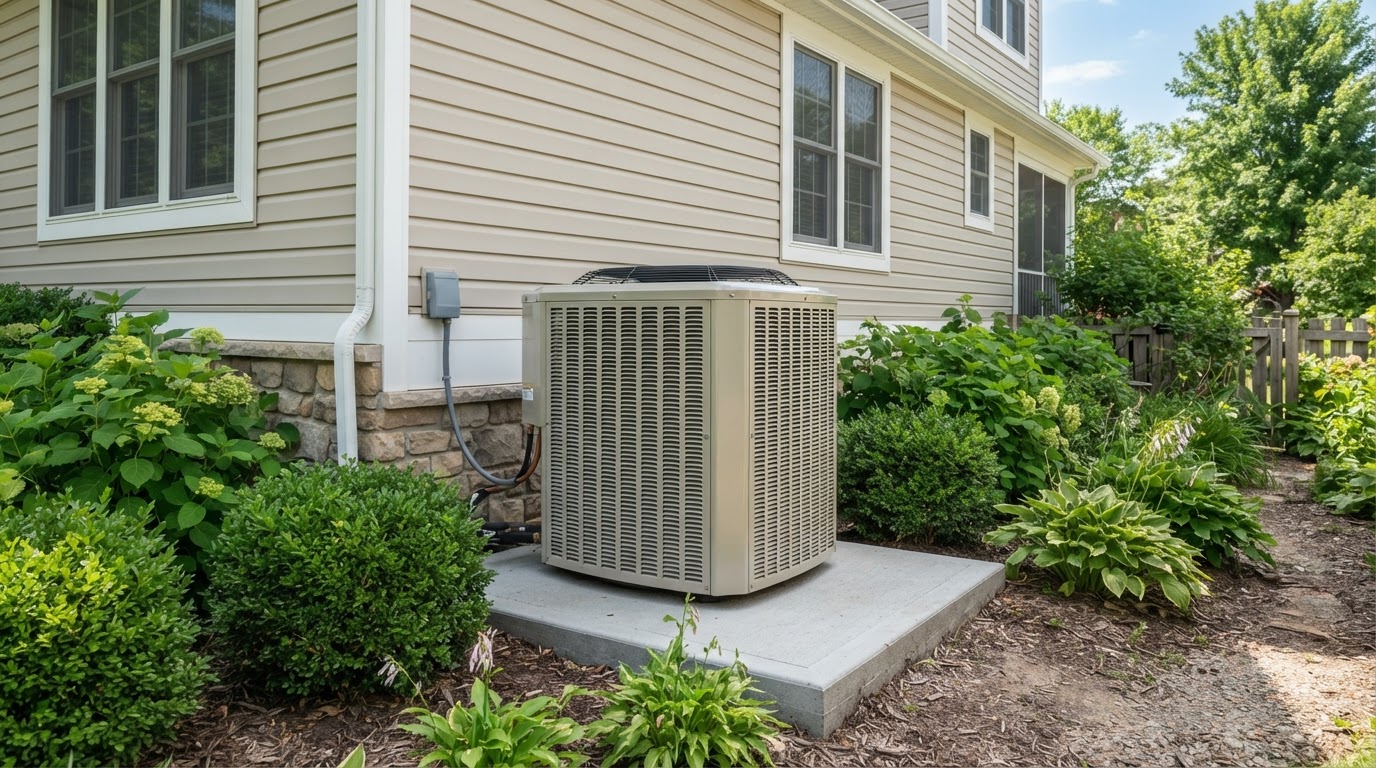
Dirt and Debris Around the Outdoor Unit
Leaves, grass clippings, dust, and other outdoor material can accumulate around the condenser. Heavy buildup may interfere with airflow across the outdoor coil.
Visible Dirt on Condenser Coil Surfaces
The condenser coil releases heat outdoors. When appropriate coil surfaces become heavily obstructed, heat transfer can be affected.
Dirty or Clogged Air Filter
An overloaded filter can restrict indoor airflow. Reduced airflow may affect cooling performance and, under certain conditions, contribute to evaporator-coil icing.
Weak Airflow From Vents
A dirty filter or buildup on certain air-moving components may contribute to weak airflow. However, duct restrictions and mechanical problems can produce similar symptoms.
Water Around Indoor AC Equipment
A blocked condensate drain, affected pan, or other drainage issue may allow water to accumulate. Cleaning may address some obstructions, but leaks can have several causes.
Reduced Cooling Performance
Your AC may run longer or struggle to cool the house. Dirt buildup is one possible contributor, but electrical, mechanical, airflow, and refrigerant-system problems may also be involved.
These signs may justify cleaning attention, but they do not prove that dirt is the cause of a cooling problem. The right service depends on the equipment and the condition observed.
Understanding the Service
What Parts of a Central Air Conditioner May Need Cleaning?
Central AC cleaning is not a single standardized package that includes every component on every visit.
The appropriate work depends on equipment design, accessibility, buildup, manufacturer instructions, and the scope of service purchased.
Outdoor Condenser Coil
The outdoor condenser coil releases heat from the refrigerant system to the surrounding air. Dirt, vegetation, and debris may obstruct the coil or reduce airflow. Appropriate coil cleaning may address accessible buildup. Cleaning methods must be suitable for the coil construction and equipment requirements.
Outdoor Cabinet and Airflow Openings
Debris can collect around the outdoor unit's cabinet, guard, and accessible airflow pathways. Obstructions may interfere with the unit's ability to move outdoor air. Cleaning should not involve reaching into energized equipment or dismantling electrical areas without the proper qualifications.
Indoor Evaporator Coil
The evaporator coil absorbs heat from air circulating through the home's duct system. Dust or contamination on applicable coil surfaces may interfere with airflow or heat transfer. Because indoor coils are located inside equipment cabinets or connected ductwork, access and cleaning methods vary.
Air Filter
The filter helps capture airborne particles moving through the return-air system. A disposable filter may need replacement, while a reusable filter must be cared for according to its manufacturer's instructions. The correct filter size and airflow characteristics matter.
Indoor Blower Area
The blower moves air through the central AC system and ducts. Depending on the equipment and purchased service, accessible blower-related buildup may require evaluation or cleaning. Extensive blower cleaning is not automatically part of every AC cleaning visit.
Condensate Drain and Pan
Central AC equipment removes moisture from indoor air, creating condensate that must drain away. Buildup or blockage within the appropriate drainage components may require attention.
What Isn't Automatically Included?
A central AC cleaning service does not automatically include:
- Electrical-component repair
- Refrigerant leak detection
- Refrigerant charging
- Compressor replacement
- Complete duct-system cleaning
- Mold remediation
- Whole-home sanitization
- A comprehensive mechanical inspection
Important
Confirm the actual cleaning scope before arranging service. Not every unit requires the same tasks, and not every provider offers identical cleaning procedures.
Outdoor AC Equipment
Why Does a Dirty Condenser Coil Matter?
The outdoor condenser plays an important role in releasing heat removed from the house.
During normal operation, refrigerant flows through the condenser coil while a fan moves outdoor air across the coil surfaces.
How Dirt Affects Heat Transfer
Dust, leaves, grass clippings, and other material can collect around the outdoor equipment.
Substantial buildup can restrict airflow or interfere with heat transfer.
The effect depends on how much buildup is present and where it has accumulated.
What Is the Difference Between Dirt and a Mechanical Failure?
A dirty condenser coil is different from a failed condenser fan, damaged compressor, faulty capacitor, or another electrical problem.
An outdoor unit that won't start should not automatically be treated as a coil-cleaning issue.
Do All Condenser Coils Require the Same Cleaning Method?
No.
Coil materials, protective coatings, fin construction, and manufacturer instructions can differ.
An inappropriate chemical or excessive water pressure can damage equipment.
Cleaning methods should match the exact coil and its condition.
Why Clearance Around the Condenser Matters
The unit needs appropriate access to outdoor air.
Vegetation, stored objects, and other nearby obstructions may affect airflow depending on the installation.
The required clearances depend on the equipment manufacturer's specifications.
Will Cleaning the Coil Lower My Electric Bill?
If significant buildup is reducing performance, appropriate cleaning may help restore normal heat transfer.
However, a specific electricity-bill reduction cannot be promised.
Energy use depends on equipment condition, outdoor weather, home cooling needs, electricity rates, and other factors.
Section takeaway
Condenser cleaning is about addressing actual obstruction and buildup. It is not a substitute for diagnosing a nonworking outdoor AC unit.
Inside Your Cooling System
What Is an Evaporator Coil, and Why Might It Need Cleaning?
The indoor evaporator coil absorbs heat from air passing through the central air conditioning system.
As warm household air crosses the coil, the refrigerant absorbs heat. Moisture may also condense on the coil surfaces and drain away.
Where Is the Evaporator Coil Located?
In many residential split systems, the indoor coil is installed near a forced-air furnace or inside a separate air handler.
Its location and accessibility depend on the equipment configuration.
How Can the Coil Become Dirty?
Airborne particles can accumulate on equipment surfaces depending on filter performance, system leakage, operating conditions, and other factors.
A dirty coil may interfere with airflow and heat transfer.
Does a Dirty Coil Always Cause Warm Air?
No.
An AC that blows warm air may have an outdoor condenser fault, electrical problem, refrigerant-system issue, airflow restriction, or another malfunction.
The presence of dust does not establish that coil cleaning will restore cooling.
What About Ice on the Coil?
Evaporator-coil icing can be associated with inadequate airflow or abnormal refrigerant-system conditions.
Cleaning may help when a buildup-related restriction is the cause, but a frozen coil can also indicate a separate repair problem.
Can Homeowners Clean an Indoor Coil Themselves?
Indoor coils can be difficult to access and are connected to delicate refrigerant tubing, electrical components, and drainage arrangements.
Opening the equipment or using inappropriate cleaners can create hazards or damage.
Professional work should follow appropriate manufacturer procedures.
Does Evaporator Cleaning Include Mold Removal?
Not automatically.
Suspected microbial growth, moisture damage, or mold concerns may require separate qualified evaluation.
Routine coil cleaning should not be advertised as mold remediation or guaranteed indoor air sanitization.
Indoor coil cleaning may be appropriate when there is relevant buildup, but the work and expected result depend on the actual equipment condition.
Air Movement and Cooling
Can a Dirty AC Filter Affect Cooling Performance?
Yes. Central AC equipment depends on an appropriate volume of indoor air moving through the system. The air filter captures particles while allowing air to pass into the return-air pathway.
What Happens When a Filter Is Clogged?
As the filter loads with material, its resistance to airflow may increase.
A heavily restricted filter can reduce airflow across the indoor coil and affect cooling operation.
Can a Dirty Filter Cause AC Freezing?
Under certain conditions, restricted airflow can contribute to excessively low evaporator-coil temperatures and ice buildup.
However, refrigerant-system problems and other faults may also cause icing.
What Is MERV?
MERV stands for Minimum Efficiency Reporting Value.
It describes a filter's performance at capturing certain particle sizes under standardized conditions.
A higher MERV rating does not automatically mean a filter is suitable for every connected AC system.
Why Filter Size and Design Matter
Filter thickness, surface area, particle-capture characteristics, and system airflow requirements all influence whether a filter is appropriate.
The correct filter should follow equipment and manufacturer guidance.
How Often Should Filters Be Replaced?
Replacement or cleaning needs depend on the filter type, system usage, manufacturer recommendations, and indoor particle conditions.
A universal interval is not appropriate for every home.
What If Airflow Remains Weak?
Weak airflow can also result from:
- Blower motor problems
- Ductwork restrictions
- Insufficient return air
- Improper equipment configuration
- Other mechanical or control issues
If airflow remains poor after an identified filter issue is addressed, further evaluation may be necessary.
Managing Water From Your AC
Can a Clogged AC Drain Cause Water Leaks?
Central air conditioning equipment removes moisture from indoor air during normal cooling operation.
That moisture becomes liquid condensate, which must be collected and removed through the intended drainage system.
Condensate Drain Pan
The pan collects moisture draining from the indoor evaporator coil. A damaged, overflowing, or improperly positioned pan may allow unwanted water to escape.
Condensate Drain Line
Water normally flows through a dedicated drain pathway. Buildup or obstruction can interfere with drainage and cause a backup.
Condensate Pump
Some systems use a pump to move condensate to a suitable drainage location. A pump failure may lead to drainage problems.
Float Switch or Drain Safety Control
Some systems use a device designed to interrupt cooling if condensate accumulates abnormally. A drainage problem may therefore appear as an AC system that won't operate.
Is Cleaning Always the Solution?
Not necessarily.
Water problems may involve drainage restrictions, pan damage, pump faults, frozen-coil thawing, or other conditions.
The actual cause determines the appropriate work.
Why Drainage Problems Matter
Unwanted water can damage floors, ceilings, wall finishes, and nearby materials.
Avoid touching electrical equipment where water may create a hazard.
Section takeaway
A blocked condensate drain may benefit from appropriate cleaning, but persistent leakage or equipment shutdowns may require repair.
Choosing the Right Service
Will AC Cleaning Fix an Air Conditioner That Isn't Cooling?
Sometimes cleaning addresses an issue contributing to poor cooling.
However, dirt and debris are only some of the possible causes of central AC problems.
Problems Cleaning May Help Address
Depending on the actual cause:
- Dirty or obstructed condenser coils
- Appropriate buildup on accessible evaporator-coil surfaces
- Clogged air filters
- Certain condensate drainage obstructions
- Debris interfering with appropriate airflow paths
Problems That May Need Repair Instead
- Failed AC capacitors
- Faulty contactors
- Condenser fan motor failures
- Compressor problems
- Refrigerant leaks
- Electrical control faults
- Condensate pump failures
- Other defective equipment components
What If the AC Is Blowing Warm Air?
Warm air is a symptom, not a diagnosis.
If the outdoor condenser isn't operating, cleaning the indoor coil may not resolve the problem.
If the system has a refrigerant fault, ordinary cleaning won't repair the sealed refrigeration circuit.
What If the AC Keeps Freezing?
Dirty filters or airflow restrictions may be contributing factors, but repeated icing can also involve refrigerant or mechanical problems.
The underlying cause must be evaluated.
Does Cleaning Replace AC Maintenance?
No. Cleaning focuses on suitable buildup and equipment surfaces. Maintenance may include additional inspections, measurements, and operational checks, depending on the purchased service.
Should an Older AC Be Cleaned or Replaced?
Age alone cannot determine the correct choice.
An older system with buildup may benefit from appropriate cleaning. Equipment with repeated major failures or poor reliability may require a repair-versus-replacement decision.
The right question isn't whether an AC can be cleaned. It's whether cleaning addresses the actual problem.
Know What You're Requesting
Is AC Cleaning the Same as Maintenance or Duct Cleaning?
Central air conditioning cleaning, maintenance, and duct cleaning are related but different services.
Understanding the distinction helps homeowners ask for the appropriate work.
Central AC Cleaning
Cleaning generally focuses on appropriate buildup affecting the indoor or outdoor cooling equipment.
Depending on the equipment and purchased scope, work may involve coils, accessible cabinet surfaces, filters, or drainage components.
Central AC Maintenance
Maintenance can include cleaning alongside additional inspection and operational checks.
Depending on the service, a qualified professional may assess electrical operation, airflow, cooling performance, condensate drainage, and relevant equipment conditions.
A cleaning visit should not automatically be presented as a complete maintenance inspection.
AC Tune-Up
Providers use the term "tune-up" in different ways.
Some include operational checks, cleaning, or adjustments. Others offer a different checklist.
Always confirm the actual scope rather than relying on the service name alone.
Whole-Home Air Duct Cleaning
Duct cleaning involves the supply or return air ducts that distribute air through the building.
Cleaning the condenser or evaporator coil does not mean the entire duct system has been cleaned.
Waltham Furnace & AC Pro does not advertise whole-home duct cleaning as part of this central AC cleaning service.
Mold Remediation and Sanitization
Routine central AC cleaning is not the same as mold remediation, water-damage restoration, or whole-home sanitization.
Health and contamination concerns may require a separate assessment by an appropriately qualified professional.
Refrigerant Service
Cleaning and refrigerant-circuit repair are also separate activities.
A system that has lost refrigerant, has a leak, or requires regulated refrigeration work needs appropriate professional evaluation.
Section takeaway
Before arranging work, ask which components and tasks are included. The exact scope matters more than whether the service is called cleaning, maintenance, or a tune-up.
Seasonal Cooling Preparation
When Is a Good Time to Have Central AC Cleaned?
For many Waltham homeowners, spring is a practical time to consider the condition of central air conditioning equipment before heavier summer use.
The appropriate timing depends on the actual equipment, surrounding conditions, and manufacturer guidance.
Before Summer Cooling Demand Increases
Outdoor condenser equipment may have accumulated leaves, dirt, or other material since its last period of regular use.
Checking for relevant buildup before summer can help identify cleaning needs.
After Yardwork or Landscaping
Grass clippings and other debris may collect around outdoor condenser equipment.
A unit's surrounding conditions can influence how quickly certain surfaces become obstructed.
After Renovation or Construction
Construction dust can affect filters and potentially enter equipment depending on system use and the work performed.
The actual filter and coil condition should be considered rather than assuming cleaning is always required.
When Filters Become Heavily Loaded
A heavily loaded filter may deserve attention before it begins restricting airflow excessively.
Filter replacement intervals depend on equipment and household conditions.
When Drainage Problems Appear
Unwanted water, recurring condensate backups, or a drainage-related system shutdown may indicate that the condensate system needs evaluation.
Some problems may be cleaning-related; others may require repair.
When Cooling Performance Changes
If the air conditioner suddenly stops cooling, blows warm air, freezes, or fails to start, describe it as a cooling problem rather than assuming routine cleaning will fix it.
Does Every AC Need Annual Internal Coil Cleaning?
Not necessarily.
Manufacturer instructions, observed condition, environmental exposure, and service history help determine cleaning needs.
A scheduled maintenance visit and intensive coil cleaning are not automatically the same thing.
Section conclusion
The purpose of cleaning is to address relevant buildup and equipment needs, not to apply the same procedure to every system regardless of condition.
Local Cooling Conditions
Central AC Cleaning for Waltham, Massachusetts Homes
Waltham homeowners experience warm summers and periods of high humidity typical of the Greater Boston area.
As cooling demand increases, appropriate airflow, heat transfer, and condensate drainage become important parts of central AC operation.
Outdoor Condensers and Seasonal Debris
Residential condenser units are often installed outside near the home.
Depending on the location, leaves, grass clippings, vegetation, and airborne debris may accumulate around the unit.
Buildup should be evaluated based on the actual equipment and surrounding conditions.
Indoor Equipment in Basements and Attics
Central AC systems may have an indoor evaporator coil near a basement furnace, inside an attic air handler, or in another approved mechanical location.
These configurations can affect access to coils, filters, and condensate components.
Humid Weather and Condensate Drainage
When central AC removes moisture from indoor air, the resulting water must drain away.
Periods of humid weather can make condensate management especially relevant, although humidity alone does not mean a particular drain is blocked.
Different Homes Have Different Equipment
Waltham includes houses with a range of construction periods, layouts, ductwork designs, and mechanical systems.
Homes near Main Street, Moody Street, Lexington Street, Totten Pond Road, and Prospect Hill may have different cooling arrangements.
Those locations do not establish a particular equipment type or cleaning need.
Existing Filters and Ductwork
A home's return-air design, filtration setup, and system condition can influence how dust reaches cooling components.
A clogged filter or dirty indoor coil should be considered in the context of the actual system.
Preparing for Summer
For homeowners with central air conditioning, reviewing visible outdoor debris, filter condition, and known drainage concerns before heavy cooling use can be a practical step.
If the system is already malfunctioning, an AC repair evaluation may be more appropriate than cleaning alone.
Waltham Furnace & AC Pro helps homeowners in Waltham, Massachusetts find assistance with central AC cleaning concerns, including condenser buildup, accessible coil cleaning, filters, and condensate drainage.
Preparing to Call
What Should You Know Before Requesting AC Cleaning?
You don't need to identify every cooling-system component before calling.
A few basic observations can help explain what you're concerned about.
What Is the Main Problem?
Are you looking for cleaning before summer? Do you see dirt on the outdoor equipment? Is the filter heavily loaded? Are you concerned about water around the indoor unit? Or has the AC stopped cooling properly?
Where Is the Equipment?
If known, mention whether the outdoor condenser is beside the home and whether the indoor equipment is in the basement, attic, or another mechanical space.
Is the AC Still Cooling?
An air conditioner that operates normally but has visible buildup may need different work from a system that blows warm air or won't start.
Do You Know the Equipment Type?
This page concerns residential ducted central AC. If your equipment is a window unit or ductless system, describe that when calling so the equipment type can be identified.
When Was the Filter Last Changed?
If you know, share the approximate date and filter type. Don't open sealed compartments to gather information.
Are There Any Water or Ice Problems?
Mention water around indoor cooling equipment, condensate backups, or visible ice. These observations may signal a problem beyond routine cleaning.
Questions About the Service Scope
Before authorizing work, consider asking:
Call with the information you have. Describe what you've noticed, and ask about the available cleaning service and next step.
Protect Your Equipment and Yourself
Central AC Cleaning Safety: What Not to Do
Central air conditioning systems contain electrical components, moving fans, delicate coils, and a sealed refrigerant circuit.
Cleaning the wrong component or using an unsuitable method can create hazards or equipment damage.
Don't Open Electrical Compartments
Outdoor condensers and indoor air handlers contain electrical components that may be hazardous. Some capacitors can retain an electrical charge after power is disconnected.
Don't Reach Into the Outdoor Fan
A stopped fan should not be pushed or handled manually. Equipment can start unexpectedly, and fan blades can cause injury.
Don't Use Excessive Pressure on Coils
Coil fins and refrigerant tubing can be damaged by improper cleaning tools or excessive force. The correct method depends on the equipment.
Don't Use Unapproved Chemicals
Cleaning agents must be appropriate for the exact equipment, materials, and manufacturer instructions. An unsuitable chemical can damage a coil or other surfaces.
Don't Open the Refrigerant Circuit
Cleaning an accessible coil is different from servicing refrigerant tubing or sealed components. Refrigerant work requires qualified personnel and appropriate procedures.
Don't Attempt Mold Remediation Through Routine AC Cleaning
Suspected mold or moisture-related contamination may require a separate qualified assessment.
Avoid Water Near Electrical Equipment
Water accumulation around controls, wiring, or electrical components may create additional hazards. Do not handle affected electrical components.
When There Is an Immediate Danger
If equipment is smoking, burning, or creating an immediate hazard, move away from the affected area and contact emergency services.
Safety note: The ordinary service-request telephone number on this website is not a substitute for emergency responders when there is an immediate safety hazard.
Central AC Cleaning Questions
Frequently Asked Questions About AC Cleaning
Other Heating & Cooling Services
Related Services in Waltham, MA
Central AC Repair
Central AC blowing warm air, leaking water, freezing up, or refusing to start? Learn about cooling failures, airflow problems, electrical components, and repair considerations.
Central AC Replacement
If your air conditioner needs repeated repairs or can no longer cool your home reliably, learn about cooling capacity, SEER2 efficiency, matched equipment, and replacement decisions.
Furnace Cleaning
Learn about furnace filters, blower buildup, accessible equipment cleaning, and how heating-system cleaning differs from repair or replacement.
Need AC Cleaning in Waltham, MA?
Whether you're concerned about dirty condenser coils, buildup on accessible indoor components, a clogged filter, or condensate drainage, start by describing your equipment and what you've noticed. Call Waltham Furnace & AC Pro to discuss central AC cleaning assistance for your Waltham home.
AC Cleaning • AC Repair • AC Replacement