Central Air Conditioning Replacement in Waltham, MA
AC Replacement in Waltham, MA
Is It Time to Replace Your Central Air Conditioner?
If your central AC struggles to cool the house, breaks down repeatedly, or needs a major repair, you may be wondering whether replacing the system makes more sense than fixing it again.
A new air conditioner is a significant investment. The right decision involves equipment condition, cooling capacity, efficiency, indoor and outdoor compatibility, ductwork, and installation requirements.
Waltham Furnace & AC Pro helps Waltham homeowners find assistance with central air conditioning replacement. Call to discuss your existing system, the problems you're experiencing, and the next step.
New Central AC Systems • AC Sizing • SEER2 Efficiency • Replacement Options
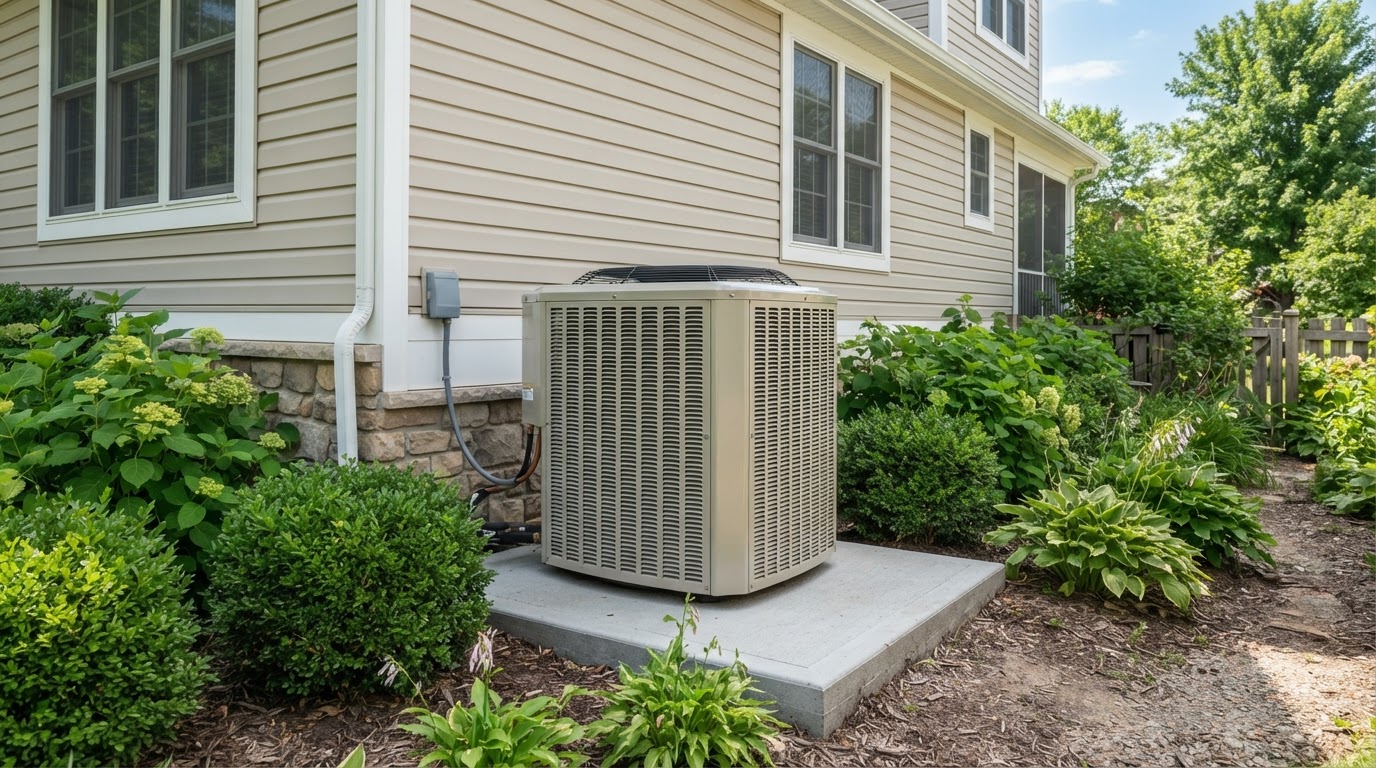
When to Consider Replacement
Signs Your Central AC May Need Replacing
Frequent Breakdowns
An isolated repair may be reasonable, but repeated service calls can make a new system worth considering. Compare repair costs with the condition and reliability of the entire unit.
AC Runs but Never Cools Enough
Your system may operate continuously without reaching the thermostat setting. This can involve equipment problems, poor airflow, improper sizing, or the home's cooling load.
Major Component Failure
A failed compressor or significant refrigerant-circuit problem can lead to a more complicated repair decision. The cost, equipment age, and availability of suitable parts matter.
Uneven Cooling Throughout the House
Hot and cold rooms may indicate airflow or ductwork problems rather than a failed condenser. A replacement plan should consider these conditions before choosing equipment.
Aging Equipment
Older air conditioners may be worth evaluating when reliability declines or repair costs increase. Age alone does not automatically mean replacement is required.
Changes to Your Home
Additions, window upgrades, improved insulation, and renovations may change your cooling requirements. The appropriate replacement size may differ from the original unit.
Closing paragraph
None of these signs proves that replacement is necessary. Understanding the actual condition of the system helps you compare the available options.
Make an Informed Decision
Should You Repair or Replace Your Central AC?
A cooling system that stops working doesn't automatically need replacing. Some problems involve a single repairable component, while others make replacement a more practical option.
When AC Repair May Make Sense
Repair may be worth considering when:
- The system has been generally reliable.
- The failure is limited to a repairable component.
- Suitable replacement parts are available.
- The repair cost is reasonable compared with replacement.
- The equipment has otherwise provided adequate cooling.
An electrical control or capacitor failure can be a very different decision from a major compressor problem.
When AC Replacement May Make Sense
Replacement deserves consideration when:
- The air conditioner has frequent breakdowns.
- Major repair costs are accumulating.
- A serious component has failed.
- Equipment compatibility or parts availability complicates repair.
- The system no longer meets the home's cooling needs.
- Existing equipment is poorly sized or has persistent performance limitations.
Look Beyond the Age of the Unit
A relatively old system may still be repairable. A newer system can also experience an expensive failure.
The right choice depends on equipment condition, diagnosis, repair history, and the cost and suitability of replacement options.
Compare the Actual Scope
Before deciding, ask what has failed, what repair is proposed, and what a replacement would include. A new condenser may require other equipment or installation changes.
Cooling Capacity Matters
What Size Central Air Conditioner Does Your Home Need?
Central AC equipment should be selected based on the home's cooling requirements, not simply the size of the old unit or a square-footage estimate.
Cooling capacity is commonly expressed in tons or British thermal units per hour (BTU/h).
Understanding AC Tonnage
One nominal ton of cooling equals 12,000 BTU/h.
- 1.5 tons: 18,000 BTU/h
- 2 tons: 24,000 BTU/h
- 2.5 tons: 30,000 BTU/h
- 3 tons: 36,000 BTU/h
- 4 tons: 48,000 BTU/h
- 5 tons: 60,000 BTU/h
These are nominal conversions, not equipment recommendations for a particular home.
Why Square Footage Isn't Enough
Cooling requirements depend on:
- Insulation and air leakage
- Window size, orientation, and shading
- Building layout and ceiling heights
- Indoor heat sources
- Occupancy
- Duct location and condition
- Local design weather conditions
- Moisture and humidity loads
Two Waltham homes of similar size may have different cooling requirements.
What If the AC Is Too Small?
An undersized system may struggle to maintain indoor temperatures under design conditions. However, poor cooling can also result from maintenance, airflow, or component problems.
What If the AC Is Too Large?
Oversized equipment may cool the thermostat location quickly and shut off after short cycles. Depending on the equipment and conditions, this can contribute to humidity concerns and temperature swings.
Manual J and Manual S
ACCA Manual J is an established method for calculating residential heating and cooling loads. Manual S addresses equipment selection using calculated loads and equipment performance.
The existing condenser's capacity is useful information, but it should not be the only basis for sizing its replacement.
Section takeaway
Correct sizing is more important than choosing the largest available air conditioner.
Understanding Equipment Ratings
What Does SEER2 Mean When Replacing Your AC?
SEER2 stands for Seasonal Energy Efficiency Ratio 2. It is a standardized measure used to compare the seasonal cooling efficiency of applicable air conditioning equipment.
In general, a higher SEER2 rating indicates greater cooling output per unit of electricity consumed under the rating conditions.
Does Higher SEER2 Mean Lower Bills?
A more efficient system may use less electricity under comparable conditions, but actual bills depend on more than the rating.
- Outdoor temperatures
- Thermostat settings
- Cooling demand
- Home insulation and air leakage
- Ductwork and airflow
- System sizing and installation
- Electricity rates and household usage
Specific dollar savings cannot be guaranteed from a SEER2 rating.
What Is EER2?
EER2 is another cooling-efficiency rating measured under defined test conditions. It provides a different comparison from seasonal SEER2 performance.
Should You Choose the Highest Efficiency Available?
Not automatically. Compare the equipment cost, documented matched-system rating, installation requirements, operating characteristics, and your home's cooling needs.
Rated Equipment Combinations Matter
On split central air conditioning systems, published efficiency ratings may apply to specific indoor and outdoor equipment combinations.
An outdoor condenser's advertised rating should not automatically be assigned to every possible indoor coil.
Indoor and Outdoor Compatibility
Do the Indoor AC Coil and Outdoor Condenser Need to Match?
Most residential split central air conditioning systems include an outdoor condenser and an indoor evaporator coil.
These components work together to transfer heat out of the home.
Outdoor Condenser
The outdoor unit generally contains the compressor, condenser coil, fan, and electrical components used in cooling operation.
Indoor Evaporator Coil
The indoor coil absorbs heat from household air moving across it. It is commonly installed near a forced-air furnace or within an air handler.
Why Matching Matters
Compatibility can affect:
- Cooling capacity
- Certified efficiency
- Refrigerant performance
- Metering devices
- Airflow
- Controls
- Manufacturer requirements
What Is an AHRI Matched System?
AHRI certification programs document ratings for qualifying combinations of HVAC equipment. An AHRI Certified Reference Number may identify the relevant combination and its rated performance.
Ask about the exact indoor and outdoor models being proposed.
Can You Replace Only the Outside Unit?
Sometimes an outdoor-only replacement may be considered, but the existing indoor coil, refrigerant system, controls, and other components must be compatible.
Do not assume replacing the condenser alone will create a correctly matched system.
Does Your Furnace Need Replacing Too?
Not automatically. Many homes use the furnace blower and ductwork for both heating and central AC. Compatibility must be considered, but a cooling-system replacement does not inherently require a new furnace.
Section takeaway
The entire proposed cooling system matters, not just the brand or model of the outdoor condenser.
Understanding Your Options
Single-Stage, Two-Stage and Variable-Capacity AC
New central air conditioners may differ in how they respond to changing cooling demand.
Single-Stage Air Conditioners
A single-stage system commonly operates at one main cooling output when running.
Properly selected single-stage equipment may be appropriate for many homes.
Two-Stage Air Conditioners
A two-stage system can operate at more than one cooling output. Depending on the equipment and controls, lower output may be used during lighter cooling demand.
Variable-Capacity Air Conditioners
Some systems can adjust cooling output across a broader operating range. When properly configured, this may help the equipment respond to changing loads.
Variable-Speed Indoor Blowers
Certain furnace or air-handler blowers can operate at different controlled airflow settings. Their performance still depends on the connected ductwork and controls.
Which Type Is Best?
The appropriate choice depends on your home's load, comfort needs, equipment compatibility, and total project considerations.
More features do not automatically guarantee better results or lower utility bills.
Beyond the Outdoor Unit
Will Your Existing Ductwork Work With a New AC?
Central air conditioning depends on the duct system to distribute cooled air throughout the house.
A new condenser cannot correct every existing duct or airflow problem.
Supply Ductwork
Supply ducts deliver air to rooms. Restrictions, leakage, and distribution issues may contribute to uneven cooling.
Return-Air Pathways
The return system brings air back to the indoor equipment. Inadequate return airflow may limit system performance.
Indoor Blower
The blower must provide appropriate airflow for the selected cooling equipment. Its capabilities should be considered when matching new components.
Air Filters
Filters create resistance in the return-air path. Their size, type, and condition can affect airflow.
What Is Manual D?
ACCA Manual D is an established residential duct-design method addressing duct sizing and airflow requirements.
What About Hot Bedrooms?
A room that stays too warm may have ductwork, insulation, solar heat gain, or return-air issues. A new outdoor unit alone may not solve the underlying problem.
Section takeaway
Describe existing comfort problems before choosing replacement equipment so airflow and ductwork can be considered.
Cooling and Indoor Comfort
Why Humidity Matters During AC Replacement
Central air conditioning can remove both heat and moisture from indoor air.
During humid Massachusetts summers, a house may feel uncomfortable even when the thermostat displays a moderate temperature.
Sensible Cooling
Sensible cooling reduces air temperature.
Latent Cooling
Latent cooling removes moisture. Water vapor in indoor air condenses on the appropriately cooled evaporator coil and drains away.
Why Sizing Matters
Some oversized systems run short cycles that may reduce opportunities for moisture removal.
Proper equipment sizing is important for both temperature and humidity performance.
Airflow and Equipment Controls
Indoor airflow, compressor operation, thermostat configuration, and equipment capabilities can influence humidity management.
Building Moisture Sources
Cooking, bathing, outside-air leakage, ventilation, and other sources affect indoor humidity.
A new AC cannot automatically correct every moisture problem in the building.
Section takeaway
If your home has felt sticky, humid, or unevenly cooled, describe those conditions when comparing replacement options.
Refrigerant Compatibility
What Refrigerant Will a New Central AC Use?
Air conditioners use refrigerant to move heat from inside the home to the outdoors.
Different equipment generations were designed for different refrigerants.
Older R-22 Systems
Some older central AC equipment uses R-22. Its regulatory history and the age of the associated equipment can affect repair and replacement considerations.
R-410A Equipment
R-410A is used in many existing central AC systems. Equipment designed for R-410A has different requirements from equipment designed for other refrigerants.
R-32 and R-454B Systems
Some newer air conditioning equipment uses R-32 or R-454B. These refrigerants require compatible equipment and appropriate installation and safety procedures.
Both have A2L refrigerant classifications, which carry specific safety requirements.
Can Refrigerants Be Interchanged?
No. R-22, R-410A, R-32, and R-454B are not interchangeable drop-in substitutes.
The refrigerant must match the equipment design and manufacturer requirements.
Can Existing Refrigerant Lines Be Reused?
The existing line set may need evaluation for size, condition, length, routing, and compatibility with the proposed new system.
Reuse should not be assumed.
Qualified Refrigerant Work
Refrigerant-circuit work must be handled by appropriately qualified personnel following applicable EPA Section 608 and safety requirements.
Section takeaway
Ask for the exact equipment model and refrigerant type rather than assuming the new system will use the same refrigerant or components as the old one.
Planning Your New Cooling System
What Is Involved in Central AC Replacement?
Replacing central air conditioning may involve more than swapping one outdoor unit for another.
The exact work depends on the existing equipment, the home, and the proposed replacement.
Review the Existing Equipment
The existing condenser, indoor coil, furnace or air handler, controls, ductwork, and operating history provide a starting point.
Evaluate Cooling Requirements
The home's cooling load helps determine the appropriate capacity. The previous unit's tonnage should not be the only basis for selection.
Select Compatible Components
The proposed outdoor condenser, indoor coil, blower, controls, and refrigerant requirements must be suitable for the installation.
Review the Outdoor Location
Airflow clearances, the support pad, physical dimensions, electrical connections, and equipment access may affect placement.
Review the Indoor Installation
An indoor coil may be connected to a furnace or installed within an air handler. Physical fit, airflow, condensate drainage, and controls may require consideration.
Evaluate the Refrigerant Lines
The existing line set must be suitable for the proposed equipment or modified as necessary.
Address Electrical and Drainage Requirements
Electrical supply, disconnects, protection, condensate drainage, and applicable safety controls are important parts of the installation.
Determine Permit Requirements
Applicable Massachusetts and Waltham requirements depend on the work being performed. The qualified provider must confirm relevant permits and inspections.
Install and Check Equipment
Appropriate installation and equipment-specific startup checks help verify operation. The checks performed depend on the system and work scope.
Review Operation and Documentation
Homeowners should understand thermostat operation, filter requirements, equipment documentation, and applicable warranty terms.
Important clarification
This section describes common replacement considerations. Actual installation methods, timing, pricing, qualifications, and work arrangements must be confirmed with the servicing provider.
What Affects the Price?
What Does Central AC Replacement Cost in Waltham, MA?
The cost of central air conditioning replacement depends on the selected equipment and the work needed at the property.
Two homes may require very different installations even when the outdoor units have similar cooling capacities.
Equipment Capacity
The size of the cooling system and available equipment options influence project cost.
Efficiency and Features
SEER2 ratings, cooling stages, compressor technology, and control options can affect equipment selection.
Indoor and Outdoor Components
Some projects involve both a new condenser and evaporator coil. Compatibility with the existing furnace or air handler can also affect the scope.
Ductwork
Duct transitions, air distribution problems, return-air restrictions, and other corrections may need consideration.
Electrical Connections
Equipment electrical requirements, disconnect arrangements, and other related work may affect the installation.
Refrigerant Line Set
Line-set condition and compatibility can influence whether existing tubing is suitable or requires changes.
Condensate Drainage
Indoor drainage components, safety controls, and access can affect the scope.
Equipment Access and Placement
Attics, basements, closets, narrow mechanical spaces, and outdoor-unit locations can influence installation complexity.
Permits and Related Work
Any applicable permits, inspections, and qualified trade work are part of the project considerations.
Compare Complete Proposals
Before approving a replacement, review:
- Exact outdoor condenser manufacturer and model
- Exact indoor coil or air-handler model
- Cooling capacity
- Documented matched-system SEER2 rating
- AHRI Certified Reference Number, where applicable
- Refrigerant specification
- Thermostat and controls
- Ductwork modifications
- Electrical work
- Refrigerant line-set requirements
- Condensate drainage
- Existing equipment removal
- Applicable permits
- Startup and operational checks
- Equipment warranty
- Installation or workmanship warranty
A lower price may reflect a different equipment selection or installation scope. Compare what is actually included rather than price alone.
Waltham Furnace & AC Pro does not advertise a universal AC replacement price because the equipment and installation requirements vary. Call to discuss your existing central air conditioner and the next step for evaluating replacement.
Central Air Conditioning in Waltham
AC Replacement for Waltham, Massachusetts Homes
Warm and humid summer weather makes reliable central air conditioning important for many homeowners in Waltham.
The right replacement system depends on the home's cooling load, existing equipment, ductwork, and installation conditions.
Different Homes Have Different Cooling Needs
Waltham includes residential properties with varied construction, layouts, windows, insulation, and mechanical systems.
Homes near Main Street, Moody Street, Lexington Street, Totten Pond Road, and Prospect Hill may have different cooling requirements even when they have similar floor areas.
Neighborhood location alone does not determine the appropriate AC size.
Older Homes and Ductwork
Some properties have ductwork installed or modified during earlier renovations.
Existing ducts may be suitable for new equipment, but airflow problems should not be ignored when selecting a replacement.
Renovated Homes
Insulation improvements, window changes, additions, and finished living spaces can change cooling demand.
A replacement should reflect the home's present condition rather than automatically copying the original equipment size.
Summer Humidity
Temperature is only one part of comfort. Equipment sizing, airflow, cooling operation, and moisture loads can all affect how a home feels during humid weather.
Indoor Equipment Locations
The evaporator coil may be connected to a basement furnace, placed within an attic air handler, or installed in another suitable mechanical location.
Access and drainage conditions can affect installation requirements.
Outdoor Condenser Placement
The outdoor unit needs appropriate clearance, support, airflow, and service access.
The existing location may work for replacement, but the proposed equipment's requirements must be considered.
Waltham Furnace & AC Pro helps local homeowners find assistance when an older or failing central air conditioning system may need replacement.
Comparing New Equipment
How Should You Compare Central AC Brands and Models?
Central air conditioning manufacturers offer equipment with different capacities, efficiency ratings, controls, refrigerants, and operating features.
A manufacturer name alone does not establish whether a particular system is appropriate for your home.
Compare Exact Model Numbers
Different models from the same manufacturer can have substantially different capabilities.
Confirm the Matched System
Review the proposed indoor and outdoor components together rather than comparing outdoor condensers in isolation.
Verify Cooling Capacity
Make sure the selected equipment is appropriate to the calculated cooling requirements.
Review Documented Efficiency
Use the efficiency rating applicable to the actual proposed equipment combination.
Consider Equipment Support
Parts availability, documentation, and suitable servicing options are worthwhile considerations.
Read Warranty Terms
Warranty conditions may address:
- Coverage duration
- Registration
- Parts coverage
- Labor exclusions
- Maintenance requirements
- Transferability
- Other eligibility conditions
Ask for the actual warranty documents rather than relying on general advertising statements.
Important
Waltham Furnace & AC Pro does not claim authorized dealer status or a relationship with any specific equipment manufacturer. Confirm available brands and models with the provider.
Current Incentive Programs
Are There Rebates for Central AC Replacement in Massachusetts?
Homeowners may encounter utility, manufacturer, or other incentive programs when researching new cooling equipment.
Availability and eligibility can change.
Equipment Eligibility Matters
A particular incentive may apply only to qualifying equipment types, rated combinations, installations, or customers.
Do not assume that a conventional central AC qualifies for an offer intended for a heat pump or another technology.
Confirm the Current Rules
If an incentive is important to your decision, verify the program's current requirements and eligibility for the exact proposed equipment and project.
Compare the Full Cost
An incentive, when available, should be considered alongside the complete project cost, suitable equipment selection, and installation requirements.
Section conclusion
Do not treat an advertised rebate as guaranteed until eligibility has been verified under current program terms.
Preparing for Replacement
What Information Helps When Discussing AC Replacement?
You don't need to choose a new system before calling.
A few details about the existing equipment and your home's comfort needs can help start the conversation.
Existing AC Age
Share an approximate age if you know it.
Reason for Replacement
Describe the current situation, such as:
- Frequent repairs
- Poor cooling
- A major component failure
- High electricity use
- Uneven room temperatures
- Humidity concerns
- A home addition or renovation
Equipment Information
If you already know the manufacturer, model, or nominal tonnage, that information may be helpful.
Do not open electrical cabinets to obtain it.
Existing Furnace or Air Handler
Mention whether central AC uses the blower connected to your furnace or a separate indoor air handler.
Home Information
Approximate square footage, number of floors, insulation improvements, and renovations may provide context.
These details do not replace a cooling-load calculation.
Questions Worth Asking
- How will cooling capacity be determined?
- What indoor and outdoor equipment is proposed?
- Are the components compatible and documented as a matched system?
- What SEER2 rating applies?
- Which refrigerant does the equipment use?
- Is the existing ductwork suitable?
- Will the furnace or blower remain?
- Can the existing refrigerant lines be reused?
- What electrical or drainage work is needed?
- What permits apply?
- What is included in the proposal?
- What warranty coverage applies?
- Are any incentives verified for this equipment?
Call with the information you have. The starting point is understanding your existing system and what a suitable replacement would involve.
Professional Installation Matters
Central AC Replacement and Equipment Safety
Central air conditioning replacement can involve high-voltage electrical connections, rotating equipment, and a sealed refrigerant system.
Improper installation or service may create safety hazards and equipment problems.
Electrical Work
Connections, disconnects, and protective devices must meet applicable requirements and the equipment specifications.
Refrigerant Handling
Refrigerants require appropriate service procedures. The exact refrigerant must be compatible with the equipment, and regulated work must be handled by qualified personnel.
Equipment Matching
Incorrect indoor and outdoor equipment combinations may affect safe and intended operation.
Condensate Drainage
Improper drainage can lead to unwanted water accumulation and related building damage.
Permits and Trade Requirements
Applicable licensing, permit, and inspection requirements must be determined for the particular project.
Homeowner Safety
Do not open refrigerant lines, handle capacitors, modify electrical connections, or bypass protective controls.
If equipment is smoking, burning, or creating an immediate danger, move away and contact emergency services.
Central AC Replacement Questions
Frequently Asked Questions About AC Replacement
Other Heating & Cooling Services
Related Services in Waltham, MA
Central AC Repair
If your central air conditioner blows warm air, freezes up, leaks water, or won't turn on, learn about common AC problems and repair considerations.
Central AC Cleaning
Learn about condenser coils, evaporator coils, filters, drainage, and how cleaning differs from central air conditioning repair.
Furnace Replacement
Replacing heating equipment too? Learn about furnace sizing, AFUE efficiency, ductwork, and replacement decisions.
Considering AC Replacement in Waltham, MA?
Whether your central AC is getting older, needs repeated repairs, or struggles to keep your home comfortable, start by discussing the equipment and the problems you've experienced. Call Waltham Furnace & AC Pro to discuss central air conditioning replacement assistance for your Waltham home.
AC Replacement • AC Repair • AC Cleaning